Winding Consulting

Process diagnostics and mechanical optimization for consistent, high-quality winding

Capabilities Demonstrated

  • Web handling and tension control analysis
  • Process diagnostics and mechanical evaluation
  • Drive system and controls assessment
  • Data collection and operational benchmarking
  • Process optimization recommendations
  • Technical consulting and operator training

The Challenge

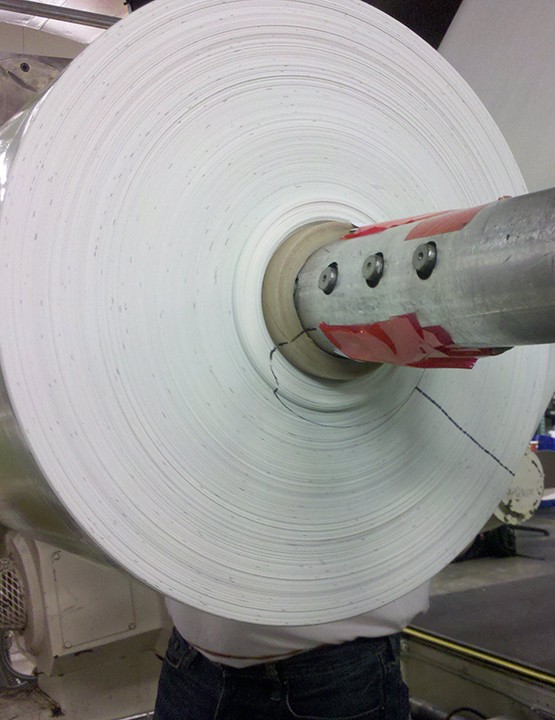
A manufacturer producing film and laminated products was experiencing roll defects described as roll blowouts on a REM slitter and rewinder. These defects occurred both during winding and after the rolls were removed, which created quality issues, increased scrap, and disrupted downstream processes.

The root cause of the instability was not clear. The client suspected either circumferential slip during winding or excessive tension and handling forces. They required specialized web handling expertise to confirm the failure mechanism, identify the contributing process variables, and implement corrective actions without major equipment replacement.

Approach

Re:Build Optimation conducted a detailed on-site evaluation of the winding process. The engagement included:

  • Reviewing machine operation and observing winding performance
  • Characterizing the roll failure mechanism and confirming blowout behavior
  • Assessing the REM slitter and rewinder process capability
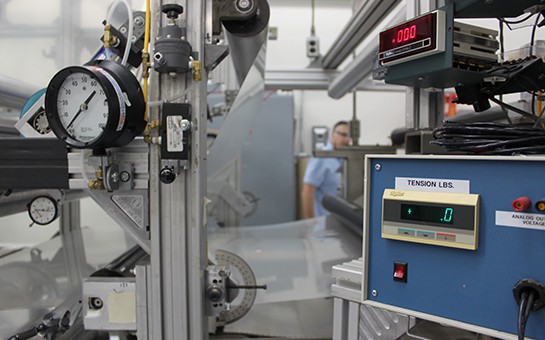
  • Benchmarking tension control, roller condition, nip loading, and conveyance forces
  • Providing targeted recommendations for process settings, procedures, and maintenance actions
  • Leading monitored trials to validate improvements
  • Delivering written documentation summarizing observations, recommendations, and next steps
  • Developing a machine-specific winding model to support ongoing product optimization
  • The goal was to provide actionable, operator-friendly improvements that could be implemented quickly and consistently.

Solution

Re:Build Optimation delivered a comprehensive analysis of the client’s winding process along with a clear set of recommended process and mechanical adjustments. A custom winding model was also developed using characterization data from the client’s materials and equipment. The model predicts wound-in tension as a function of product properties and machine setpoints, which allows the client to standardize winding conditions for each product. 

This combination of process diagnostics, practical recommendations, and modeling support enabled rapid improvements in winding performance. 

Results

The consulting engagement provided measurable improvements in roll stability and overall quality. Deliverables included:

  • A prioritized list of process, procedural, and maintenance recommendations
  • A detailed report outlining process limitations and improvement opportunities
  • An interactive winding model tailored to the client’s products and winding equipment

These tools enable the client to transition to standardized, product-specific process conditions, which will help reduce winding variability and improve long-term process robustness.
System Overview

  • System Type: Film and laminate web handling and winding system
  • Function: Slitting, rewinding, and roll formation of narrow-width flexible products
  • Key Features: REM slitter and rewinder, tension zones, nip configuration, operator-adjustable winding parameters
  • Deployment: On-site analysis and optimization at the client production facility
  • Industries Served: Film and plastics, flexible packaging, roll-to-roll converting

Benefits & Impact

  • Improved Quality: Reduced roll defects and improved layer uniformity
  • Enhanced Control: Optimized tension and drive settings decreased process variability
  • Higher Yield: Lower scrap rates and more stable winding performance
  • Reduced Maintenance: Better system setup reduced mechanical wear and extended component life
  • Process Knowledge: Operators gained practical training and tools that support consistent long-term performance