
Upgrading roll-to-roll equipment is often driven by the need to improve yield, increase production capacity, reduce downtime, or support new products and materials. But for many manufacturers, those goals feel difficult to achieve when original drawings, control documentation, or OEM support are missing.
Without documentation, upgrading existing equipment can seem risky or even impossible. Teams may worry about unexpected downtime, integration challenges, or unintended impacts to system performance. As a result, critical improvements are often delayed, even when existing equipment is limiting throughput, creating variability, or becoming harder to maintain. The reality is that undocumented and heavily modified roll-to-roll systems are far more common than most manufacturers expect.
At Re:Build Optimation, we regularly work with manufacturers facing exactly this challenge. Legacy systems, undocumented modifications, and unsupported equipment are common across roll-to-roll manufacturing environments. The key is not whether documentation exists. It is whether the system can be understood, evaluated, and improved. With the right engineering approach, manufacturers can modernize legacy roll-to-roll systems, improve performance, and increase operational reliability without requiring complete system replacement or original OEM documentation.
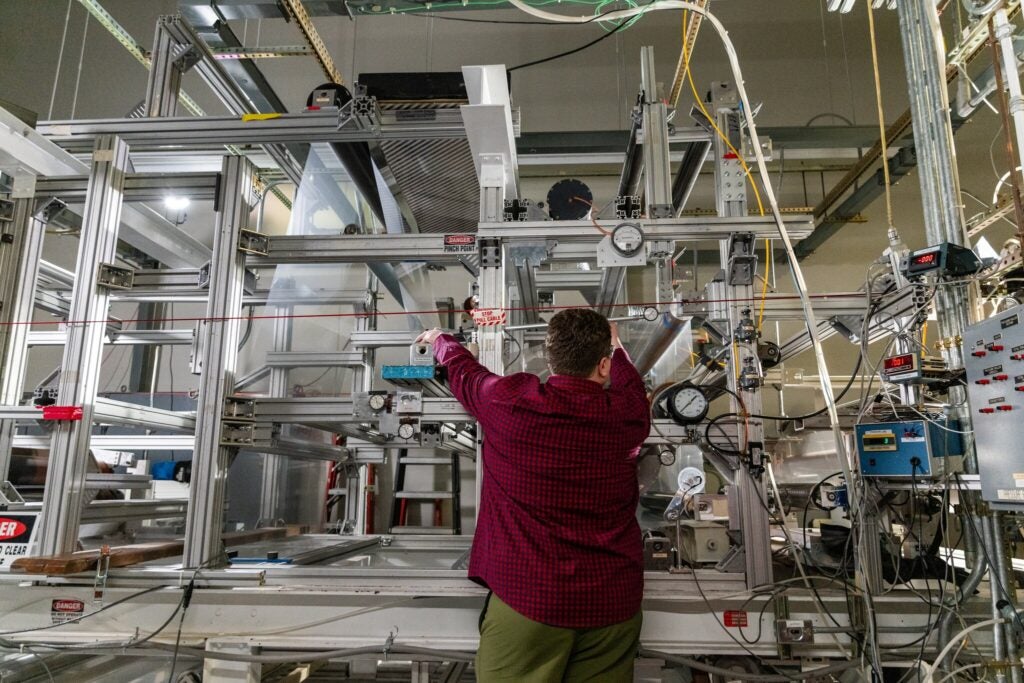
Many roll-to-roll systems in operation today have been in service for years or even decades. Over time, these systems are modified, upgraded, repaired, and adapted to meet changing production needs. As a result, the original documentation often becomes outdated, incomplete, or entirely unavailable.
This can happen for several reasons:
While these situations are common, they introduce uncertainty. Without clear documentation, it becomes more difficult to understand how the system operates, how components interact, and where potential risks may exist.
The absence of documentation is not the core problem. The real risk is the lack of visibility into how your roll-to-roll equipment actually performs. Without that understanding, manufacturers may hesitate to make changes, fearing unintended consequences such as:
This uncertainty often leads to inaction or the assumption that full replacement is the only safe option. However, avoiding upgrades does not eliminate risk. It often allows existing performance issues to persist or worsen over time.
Upgrading a system without documentation requires a different approach. Instead of relying on existing drawings or OEM data, the process begins with understanding the system as it exists today.
1. Reverse Engineering the Existing System
The first step is to analyze the current state of the equipment. This involves physically inspecting components, mapping system architecture, and identifying how different elements interact. Reverse engineering provides a functional understanding of the system, even when original documentation is missing.
2. Rebuilding System Knowledge
Once the system has been evaluated, new documentation can be developed. This includes updated drawings, control logic, and system diagrams that reflect how the equipment actually operates. This step is critical. It transforms an unknown system into a manageable one and creates a foundation for future upgrades and maintenance.
3. Identifying Performance Gaps
With a clear understanding of the system, it becomes possible to identify where performance limitations exist. These may include outdated controls, inefficient web handling, or mechanical constraints. This analysis ensures that upgrades are targeted and effective rather than reactive.
4. Implementing Targeted Upgrades
Rather than replacing the entire system, improvements can be made in specific areas that deliver the greatest impact.
These upgrades often include:
By focusing on high-value improvements, manufacturers can modernize their systems while minimizing risk and disruption.
One of the most important realities in roll-to-roll manufacturing is that systems rarely remain in their original state. Over time, they evolve through incremental changes, operator adjustments, and process improvements.
In many cases, the system in operation today looks very different from its original design. This makes documentation gaps even more challenging. Even when drawings exist, they may not accurately reflect current conditions.
That is why effective upgrades require a focus on how the system operates today, not how it was originally designed. By aligning upgrades with real-world operation, manufacturers can improve performance while reducing the risk of unintended issues.
When approached strategically, roll-to-roll equipment upgrades without documentation can deliver significant benefits:
These improvements are particularly valuable for manufacturers looking to remain competitive while managing cost and operational complexity.
If your team is working with legacy roll-to-roll equipment and facing uncertainty due to missing documentation, it may be time to take a structured approach.
Key indicators include:
A structured system assessment can provide clarity, reduce uncertainty, and identify practical next steps.
Missing documentation can feel like a barrier to progress, but it does not have to be. With the right engineering approach, roll-to-roll systems can be understood, documented, and upgraded, even in the absence of original drawings or OEM support.
At Re:Build Optimation, we help manufacturers move forward by evaluating existing systems, rebuilding critical knowledge, and implementing upgrades that improve performance while reducing risk. If your system lacks documentation, the path forward is still there. It just requires a different approach.
If you are unsure how to move forward with legacy equipment, our team can help you assess your system and define a clear path forward. Schedule a legacy system assessment today.
Looking to connect with an experienced team?
Look no further than Re:Build Optimation! We are excited to connect with you.
